Guide
Coconut Flour Is Not a One-to-One Swap: A Guide to Grain-Free Baking
Baking with coconut flour requires a shift in culinary intuition because it behaves more like a sponge than a traditional grain. This guide explores how to master its high-absorption properties to create moist, seasonal bakes without the guesswork.
Understanding the Thirsty Nature of Coconut Flour
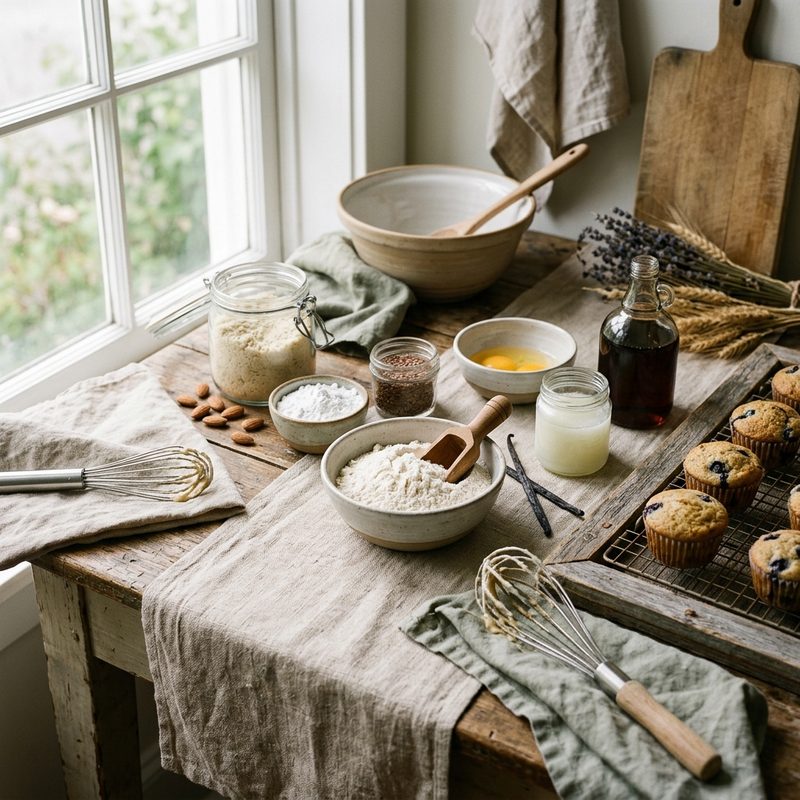
Unlike wheat flour or even almond flour, coconut flour is exceptionally high in fiber, which makes it incredibly hygroscopic. This means it absorbs liquid at a rate significantly higher than other flours. If you try to swap one cup of wheat flour for one cup of coconut flour, your result will be a dry, crumbly mess that resembles sawdust more than cake. To compensate for this, a general rule of thumb is to use only 1/4 cup to 1/3 cup of coconut flour for every 1 cup of grain-based flour called for in a traditional recipe.
The Essential Role of Protein and Moisture
Because coconut flour lacks the gluten proteins that provide structure in wheat-based baking, you must rely on other binders—most commonly eggs. For every cup of coconut flour used, you will often need 4 to 6 eggs to provide the necessary lift and moisture. If you are looking for a dairy-free variation, rich coconut milk or a seasonal fruit puree (such as unsweetened applesauce in the autumn or mashed roasted squash) can provide additional moisture and fat to ensure a tender crumb.
Resting the Batter: The Secret Step
One of the most important techniques in coconut flour baking is the 'rest.' Once you have combined your wet and dry ingredients, the batter may appear too thin. Do not immediately add more flour. Instead, let the batter sit on the counter for 5 to 10 minutes. This allows the coconut fibers to fully hydrate and swell. Only after this rest period should you judge the consistency; it should be thick, but still scoopable or pourable depending on the specific recipe.
Sifting for a Fine Crumb
Coconut flour is notorious for clumping in the bag. Because the particles are so fine and oil-rich, these clumps can persist even through vigorous whisking, leading to white spots in your finished bake. Always sift your coconut flour through a fine-mesh strainer before measuring. For the most accurate results, use a kitchen scale to measure by weight rather than volume, as the density of the flour can vary significantly between brands.
Integrating Seasonal Flavors
To elevate your grain-free baking, lean into the seasons. In the summer, use a reduction of macerated strawberries to provide the liquid base for a coconut flour sponge. In the winter, use freshly grated nutmeg and ginger paired with a rich fat like grass-fed butter or virgin coconut oil. The neutral-to-sweet profile of coconut flour complements vibrant, whole-food ingredients beautifully, provided the hydration ratios are respected.