Guide
How to Cook for a Table with Food Restrictions
Hosting a dinner party shouldn't feel like navigating a minefield when guests have dietary restrictions. This guide focuses on a produce-led approach to creating inclusive, delicious meals that celebrate seasonal ingredients while naturally accommodating various needs without relying on processed substitutes.
Section 1: The 'Yes' Food Philosophy
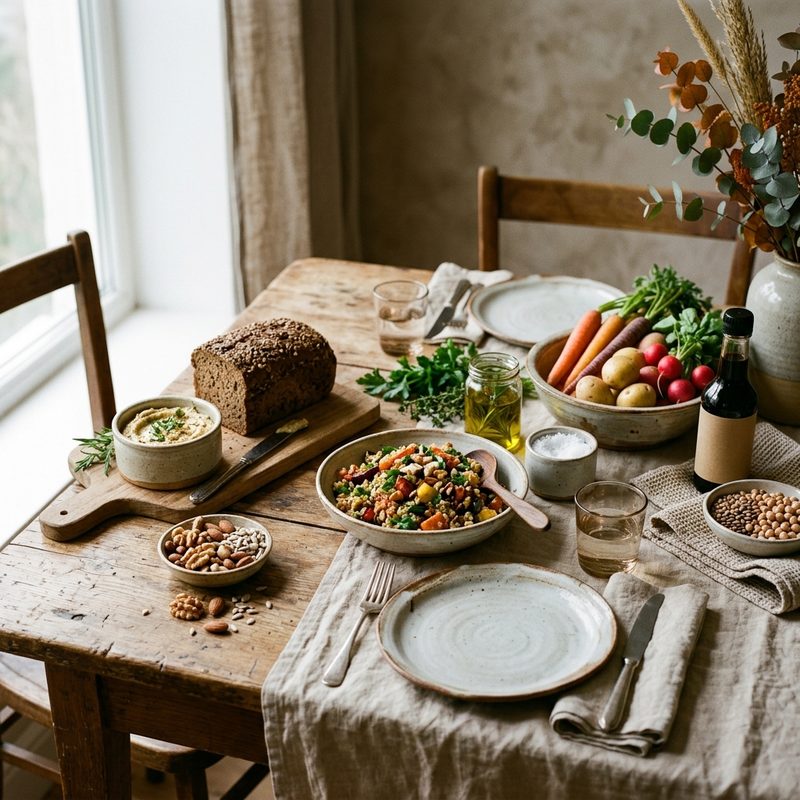
The secret to cooking for a table with mixed restrictions is to stop looking at a list of forbidden ingredients and start with what everyone can eat. Focus your menu around naturally inclusive categories: fresh produce, high-quality proteins, and healthy fats. By centering the meal on a 'star' vegetable—such as a salt-crusted salt-baked celery root in winter or charred heirloom tomatoes in summer—you create a baseline that is naturally grain-free and dairy-free before you even begin to cook.
Section 2: Mastering the Base and Build Technique
Instead of creating a one-pot meal where a restricted ingredient is integrated, use the 'Base and Build' method. Prepare a seasonal vegetable or protein as the centerpiece. If you are serving a Spring lamb roast or a Summer vegetable ragout, keep the main dish free of common allergens like gluten or dairy. Serve starches (like herbed farro or buttered potatoes) and garnishes (like feta or toasted breadcrumbs) in separate bowls. This allows guests to customize their plates according to their needs while enjoying the same core flavor profile.
Section 3: Flavor Development Without Common Allergens
To create depth of flavor without relying on butter or flour-based rous, lean into reduction and emulsification. For a rich sauce, reduce seasonal juices (like apple cider in autumn or tomato water in summer) until syrupy. If you need creaminess, use a high-speed blender to emulsify toasted sunflower seeds or soaked cashews with a bit of vegetable stock. For a grain-free thickening method, grate a starchy vegetable like a parsnip or potato directly into a braise; the natural starches will thicken the liquid as it simmers, providing body without the need for a flour slurry.
Section 4: Navigating Fats and Acids
When cooking for a dairy-free guest, do not simply swap butter for margarine. Instead, change your technique to highlight high-quality oils. Use a cold-pressed extra virgin olive oil for finishing, or render the fat from the protein you are cooking. In seasonal vegetable cooking, fat carries flavor, but acid provides the structure. If a dish feels like it is missing 'something'—a common occurrence when removing butter—add a splash of apple cider vinegar or a squeeze of seasonal citrus to brighten the fats and elevate the produce.
Section 5: Safe Kitchen Practices
Before you begin cooking, thoroughly clean your surfaces and wooden cutting boards, which can harbor traces of flour or dairy. If a guest has a severe allergy, cook their portion first or in a separate, dedicated pan. Always read the labels of whole-food staples like vinegars and spices, as some may contain hidden anti-caking agents or stabilizers that contain grains. When the meal is served, keep the original packaging of any unique ingredients on hand so guests can verify the contents themselves if they feel the need.