Guide
The Ultimate Monthly Guide to Cooking with Seasonal Whole Foods
Transition your kitchen to a rhythm dictated by the harvest. This guide walks you through the best produce for every month and how to prepare it for a communal table using whole-food techniques.
Winter: The Season of Roots and Resilience
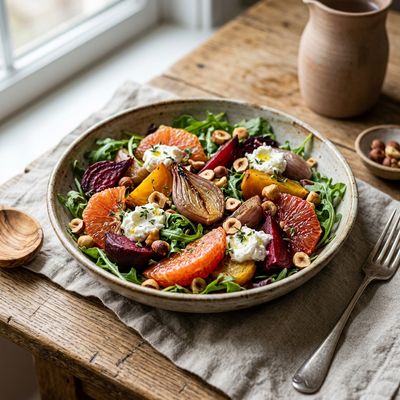
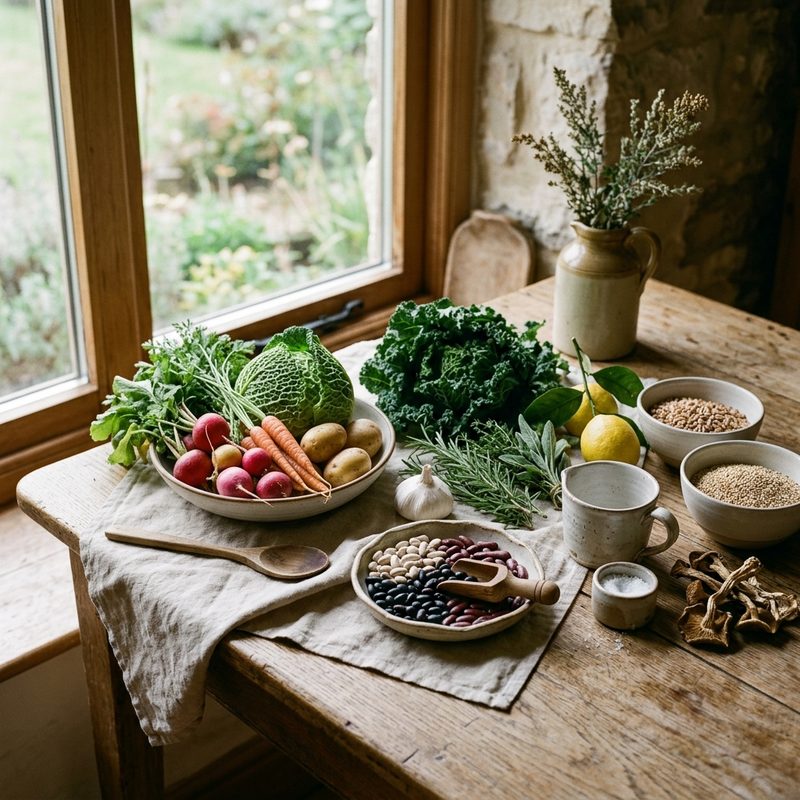
In January and February, the kitchen focuses on brassicas, root vegetables, and citrus. For a whole-food approach, learn the technique of slow-roasting root vegetables like parsnips and rutabagas at 200°C until their natural sugars caramelize. To make this dairy-free, toss the vegetables in avocado oil or duck fat instead of butter. In February, blood oranges and grapefruit are at their peak; learn to supreme citrus to remove the bitter pith, providing a bright contrast to heavy winter stews. For a grain-free thickening agent in winter soups, blend a portion of the cooked root vegetables back into the broth instead of using flour.
Spring: The Arrival of Tender Greens
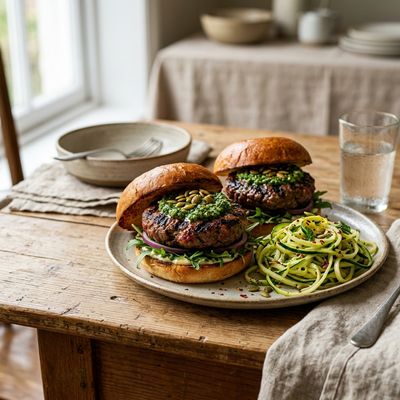
March, April, and May bring asparagus, peas, and radishes. The primary technique here is blanching: plunging greens into boiling salted water for 60 seconds and then into an ice bath to preserve color and snap. To create a creamy spring pea soup without dairy, blend blanched peas with soaked cashews and vegetable stock. For grain-free dining, use shaved asparagus or zucchini ribbons in place of pasta, lightly sautéed in olive oil with garlic and lemon zest.
Summer: Abundance and Minimal Heat
June, July, and August are defined by tomatoes, stone fruits, and peppers. The best technique for summer is the 'raw-marinated' approach. Slice tomatoes and peaches, salt them to draw out their juices, and let them sit with fresh herbs and olive oil. If you are baking a summer fruit crumble, use a grain-free topping made from almond flour, chopped walnuts, and shredded coconut bound with coconut oil. This provides a satisfying crunch without the need for oats or wheat flour.
Autumn: The Golden Harvest
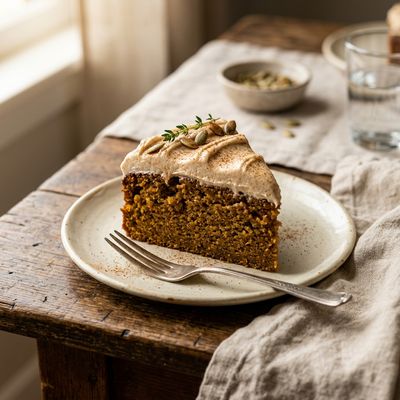
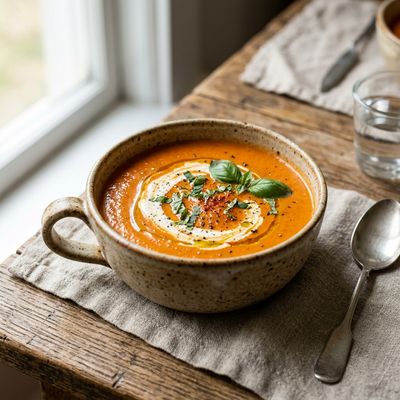
September, October, and November transition into squash, apples, and hardy greens like kale. Mastering the braise is essential here. Sauté onions and celery, add cubed butternut squash or pumpkins, and simmer in bone broth. For a dairy-free creamy texture in squash soups, stir in full-fat coconut milk at the very end of the cooking process to prevent the oil from separating. If making a stuffing or side dish, substitute traditional bread cubes with roasted chestnuts or cauliflower florets for a grain-free alternative.
December: Preservation and Warmth
As the year ends, the focus shifts to storage crops like potatoes, onions, and cabbage, alongside pomegranates. Use high-heat roasting for Brussels sprouts to remove bitterness, finishing with pomegranate seeds for acidity. For a communal holiday table, focus on salt-crusting as a technique for beets or carrots, which concentrates their flavor beautifully while remaining naturally free of grains and dairy.