Guide
How to Bake with Almond Flour: Techniques for Grain-Free Success
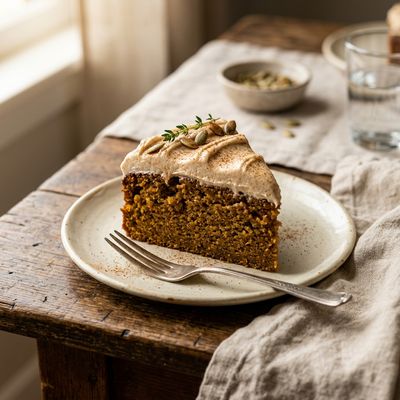
Almond flour is a versatile, nutrient-dense staple that brings a rich, buttery texture and moist crumb to seasonal bakes. This guide explores the fundamental techniques for working with this grain-free powerhouse to create beautiful, produce-led desserts for your shared table.
Understanding Flour vs. Meal
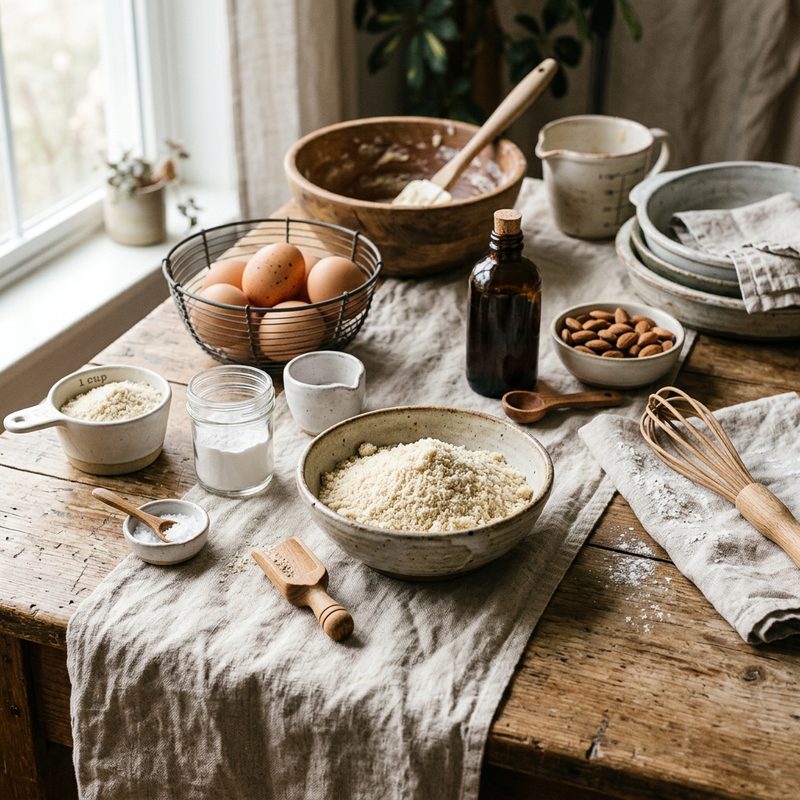
The first step in almond flour mastery is choosing the right texture. Blanched almond flour is made from skinless almonds ground into a fine, pale powder; it is the gold standard for delicate cakes, sponges, and macarons. Almond meal, conversely, includes the skins and has a coarser, speckled texture. Use meal for rustic fruit crumbles, hearty muffins, or as a breading for savory dishes. For a refined seasonal cake, always reach for the finely ground blanched variety.
Measuring and Preparation
Unlike wheat flour, almond flour is heavy and prone to clumping. Always sift your flour before adding it to wet ingredients to ensure a smooth batter. For the most consistent results, use a kitchen scale rather than a measuring cup. Because almond flour lacks gluten, it does not provide the same structural 'lift.' Ensure your leavening agents, like baking powder or soda, are fresh. If you are making a dairy-free variation, coconut oil or a high-quality olive oil works beautifully alongside almond flour's natural fats.
The Art of Binding
Gluten acts as the glue in traditional baking. Without it, almond flour recipes rely on proteins and moisture for structure. Using an extra egg can often provide the necessary lift and binding power. For a vegan or dairy-free alternative, a 'flax egg' (ground flaxseed mixed with water) provides a similar viscosity. When folding in seasonal produce—such as macerated strawberries in spring or roasted pears in autumn—ensure the fruit is well-drained to prevent the bake from becoming overly dense or soggy.
Adjusting Time and Temperature
Almond flour is high in natural oils, which means it browns much faster than grain-based flours. To prevent the edges from scorching while the center remains raw, lower your oven temperature by about 15-20 degrees Celsius (25-50 degrees Fahrenheit) compared to a standard recipe. If the top of your cake is browning too quickly, tent it loosely with foil. Most almond flour bakes are finished when a skewer comes out clean and the center feels slightly springy to the touch.
Cooling for Structural Integrity
This is the most critical step: patience. Almond flour bakes are incredibly fragile when they first emerge from the oven. As the cake or cookie cools, the fats and proteins set, creating the final texture. Moving a warm almond flour cake often leads to crumbling. Allow your bakes to cool completely in the tin or on a wire rack for at least 30 to 60 minutes before attempting to slice or serve.